
Victorian Energy Upgrades
Gas to Electric Heating and Cooling Upgrades in the Macedon Ranges
What a proper whole-home conversion from gas ducted heating to ducted reverse cycle actually involves, including the ductwork question most quotes skip, from an installer that does the work with its own team.
Prefer to talk? 1300 369 400
- Gas heater removed and decommissioned to program requirements
- New ducted reverse cycle system designed for the home's heat load and airflow
- New ductwork and outlets where the existing ones are unsuitable, which is typical
- 9 year labour and workmanship warranty on the installation
What a real gas to electric conversion involves
Plenty of quotes for a VEU upgrade describe the job as “replace the gas heater with a reverse cycle unit”. In our experience across the Macedon Ranges, a proper whole-home conversion is a bigger and better job than that. It commonly involves:
- removing the existing gas ducted heater and decommissioning it as the program requires;
- deciding with you, after inspection, whether the existing evaporative cooler stays or is removed;
- installing a completely new ducted reverse cycle system sized for the home;
- installing new, appropriately designed ductwork;
- installing new supply outlets and return air.
The reason is the ductwork. The ducts and outlets that served a gas heater were designed for a gas heater. Reverse cycle heating and cooling moves a larger volume of air at a lower temperature, and a duct system that cannot carry that air will strangle the new equipment. The common problems we find in roof spaces from Sunbury to Kyneton are ducts that are too small for the required airflow, insulation that is inadequate for cooling, outlet sizes that are wrong for the new air volume, layouts that do not suit the new airflow requirements, and a system that would compromise the performance of the new equipment it is connected to.
New ductwork is not an optional extra on our conversions; it is part of every ducted reverse cycle system we install. Our guide on reusing gas heating ducts explains why, in detail.
Our philosophy
Design the installation properly rather than compromise a new system by connecting it to unsuitable existing infrastructure. The discount on the equipment is the same either way. The difference between a good conversion and a bad one is the design and the installation, and that difference lasts for the life of the system.
The reason to go electric at all is just as plain: “You can offset a power bill with solar and batteries. You can’t do the same with your gas bill.”
What we design for
- Heat load. The home’s size, orientation, insulation, glazing and ceiling heights, so the system is sized for the coldest July morning and the hottest January afternoon, not for a rule of thumb.
- Airflow. Duct sizing, duct insulation, return air sizing and outlet sizing so the system delivers its rated capacity quietly.
- Zoning. Where it suits the household, zones so bedrooms and living areas can be run separately, with sensors placed where they read the rooms people actually use.
- Outdoor unit position. Access, noise, airflow and clearances, with the neighbours in mind.
- Condensate and electrical. Drainage that works, and a switchboard and circuit that suit the new load.
- Serviceability. Equipment positioned so it can be maintained in ten years without dismantling the roof.
The systems we install
We install ActronAir and Rinnai ducted reverse cycle systems, for which we are factory-trained dealers who purchase directly from the manufacturers, and we have substantial hands-on experience installing Mitsubishi Electric ducted systems. The right choice depends on the home, the zoning you want and the budget, and we will recommend one rather than list three.
Where a full conversion is not the right answer
Some homes have no roof space for ductwork, or the household only wants to replace the heater and keep the evaporative cooler, or the budget is better spent elsewhere. In those cases a multi-head split system covering the main rooms, a Braemar Dominator direct replacement where the existing system suits it, or a new gas ducted heater may be the better answer. We install all of them, so the recommendation follows the house.
The program, briefly
The replaced gas heater must be decommissioned so it is permanently unusable and removed, and the work must be documented. Only accredited providers can apply the discount, and only approved equipment qualifies. VEU rebate administration for Macedon Ranges Gas & Air projects is processed under Melbourne Gas & Air, another trading name of the same legal entity; the accreditation details that apply to your job are shown in your written quote. We handle the decommissioning, the documentation and the discount as part of the installation. Eligibility rules and discount amounts change, so we confirm both for your home at quote time; see our eligibility page for what we check.
What your written quote includes
- A site visit covering the gas heater, flue, evaporative cooler, ductwork, return air, outlets, roof space, switchboard and outdoor unit position
- A heat load assessment and system design for the home, with zoning where it suits how you live
- New, correctly insulated ductwork and outlets designed for the new system
- Removal of the gas heater, decommissioned where the program requires it, and removal of the evaporative cooler where that is part of the job
- New ducted reverse cycle unit, ductwork, outlets, return air, controller, electrical work and outdoor unit
- Commissioning, airflow balancing and a walk-through of the controls
- The program paperwork and the discount confirmed against the current rules
- The 9 year labour and workmanship warranty in writing, alongside the manufacturer's product warranty
We will talk you through the suitable options and explain what changes between them. Quotes describe the scope and the system; they are not itemised.
Accuracy note: Program requirements referenced on this page (decommissioning of the replaced heater, accredited provider requirements) are drawn from the Victorian Government and Essential Services Commission. No discount amounts are published here; they are confirmed at quote time. Checked 13 September 2026 against www.esc.vic.gov.au.
The new system
Outdoor unit, roof-space fan coil, new ducts
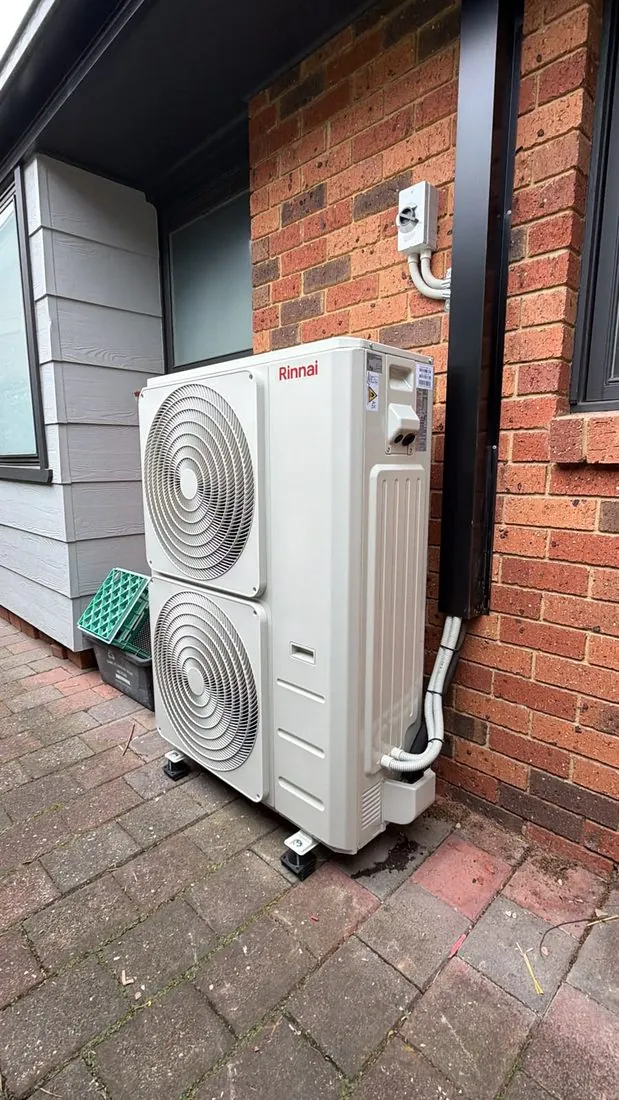
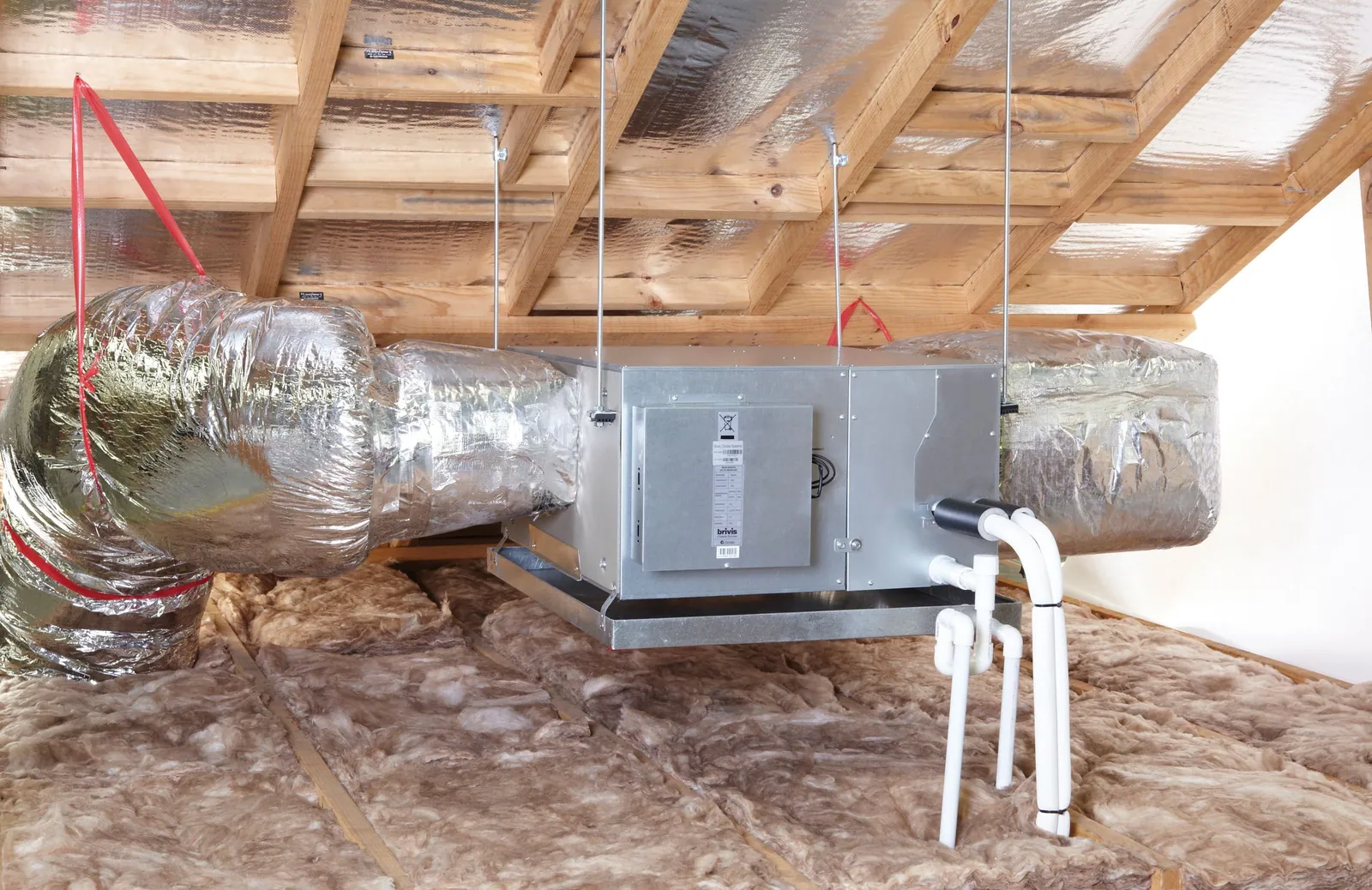
The gas heater and its flue come out. A ducted reverse cycle outdoor unit goes in at the side of the house, a fan coil in the roof space, and new insulated ductwork sized for the system runs to a slim outlet in each room. The old ducts were sized for a gas heater's airflow, so they are replaced, not reused.
Our premium option
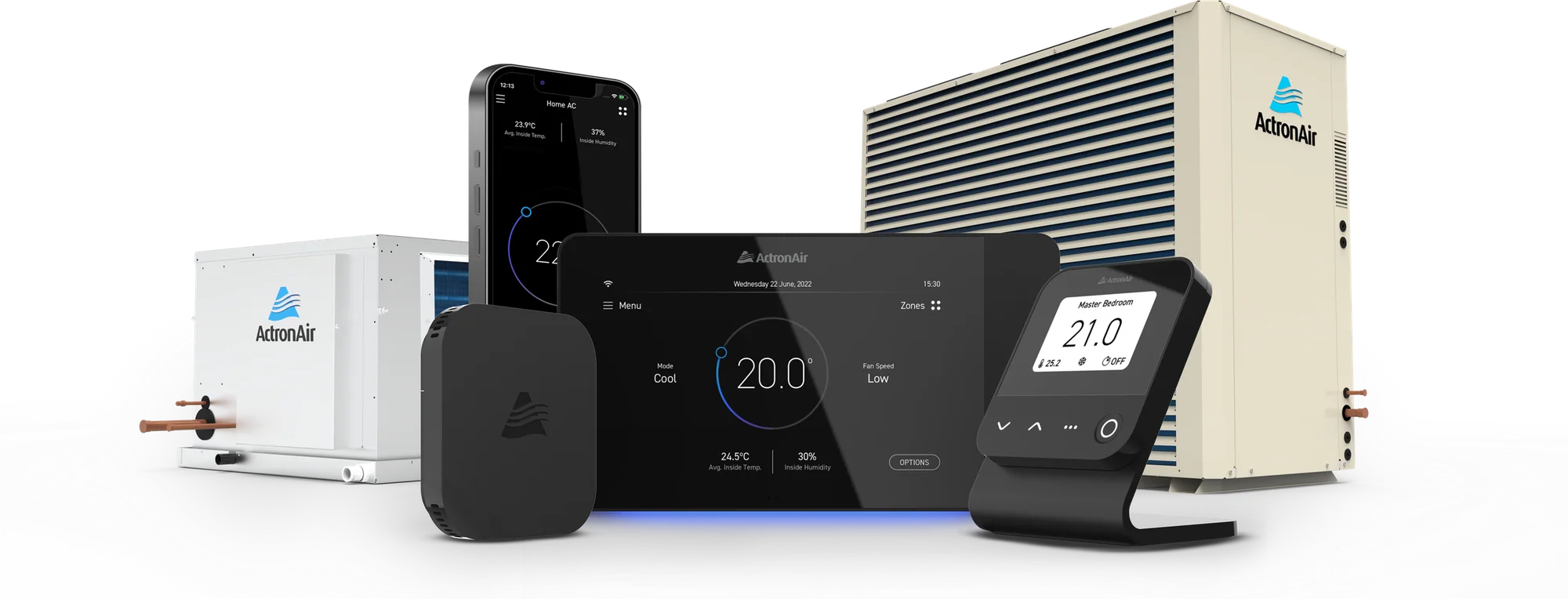
ActronAir Advance with NEO, or Rinnai ducted
Under the program we install ActronAir Advance where the home wants the most capable system, and Rinnai ducted where the brief is dependable comfort at sensible cost. Both are zoned, both are sized for the home's heat load, and both are installed by our own in-house team with new ductwork.
Living with it
Ceiling outlets, zones and an app
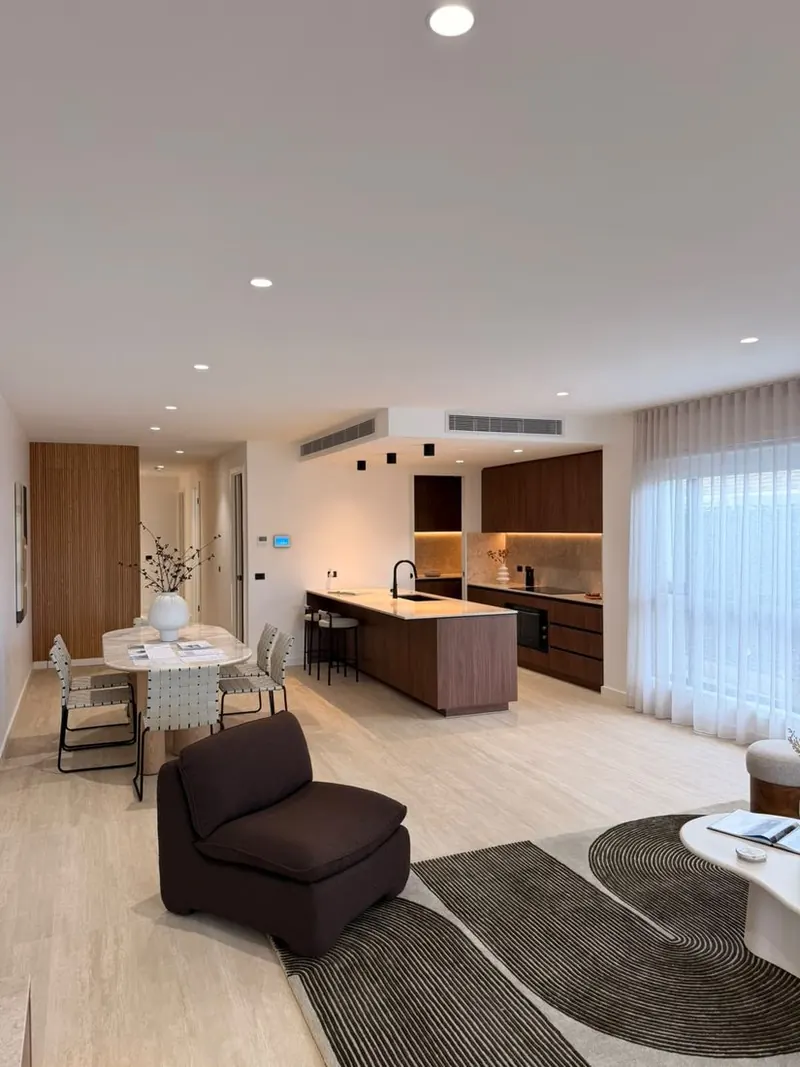
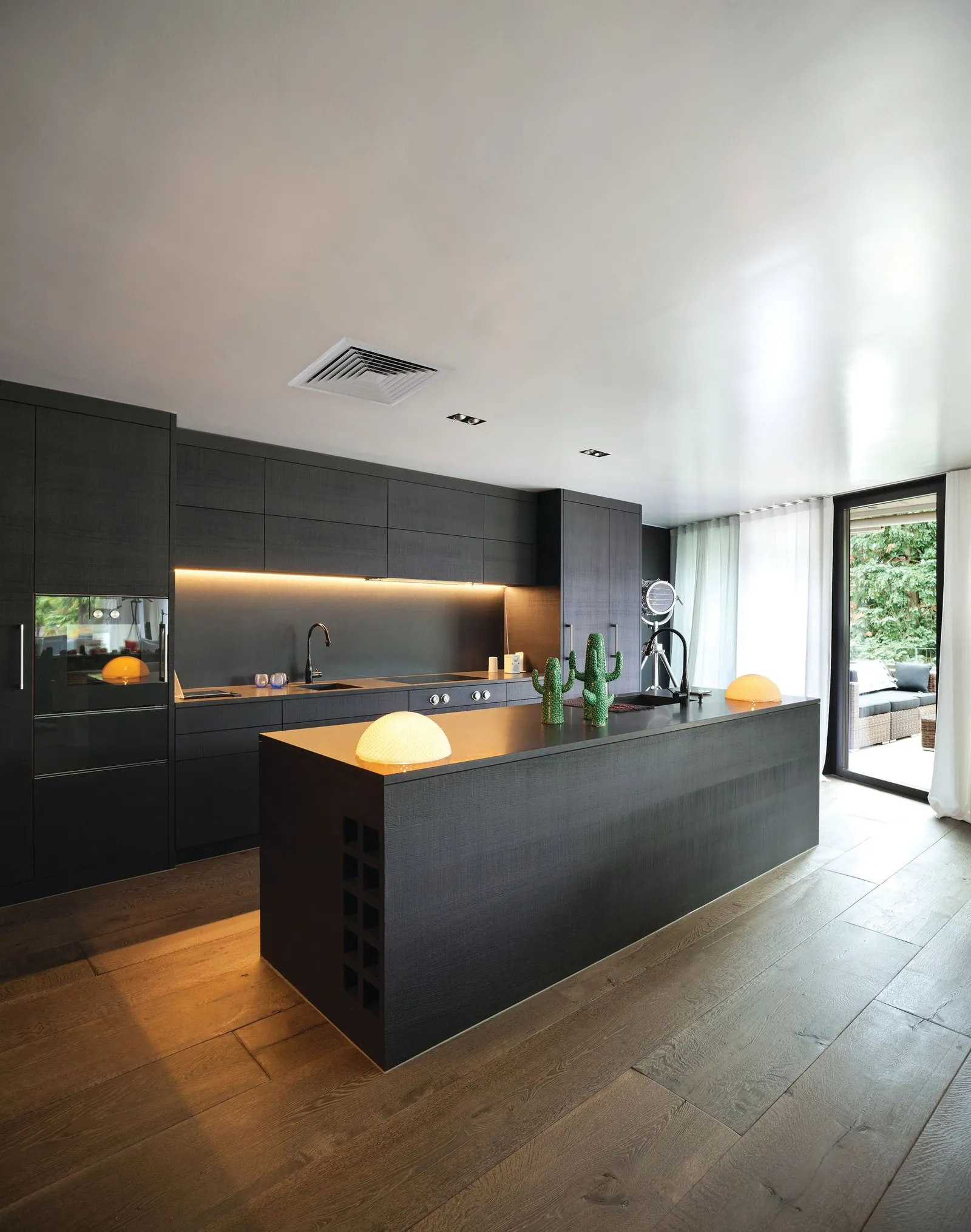
Slim ceiling outlets replace the floor vents, the system is zoned so you heat or cool the rooms you are using, and the controller and app are set up for the household at handover. The saving on the gas bill is real; the saving on the power bill depends on running it well, which is why the handover matters.
How a whole-home system happens
Designed around your home, built around how you live
Every ducted job runs through the same seven steps, with our own team from the first conversation to the follow-up.
Enquiry
Tell us about the home and what you want it to do.
Assessment
A site assessment or floor-plan review, and a conversation about how you actually live in the house: which rooms you use, where it gets hot or cold, how you want it zoned.
Design
The system is designed around that: capacity, new insulated ductwork, outlet placement, return air, zoning and controls.
Options and quote
We talk you through the suitable system options, explain what changes between them, and give you a written quote.
Installation
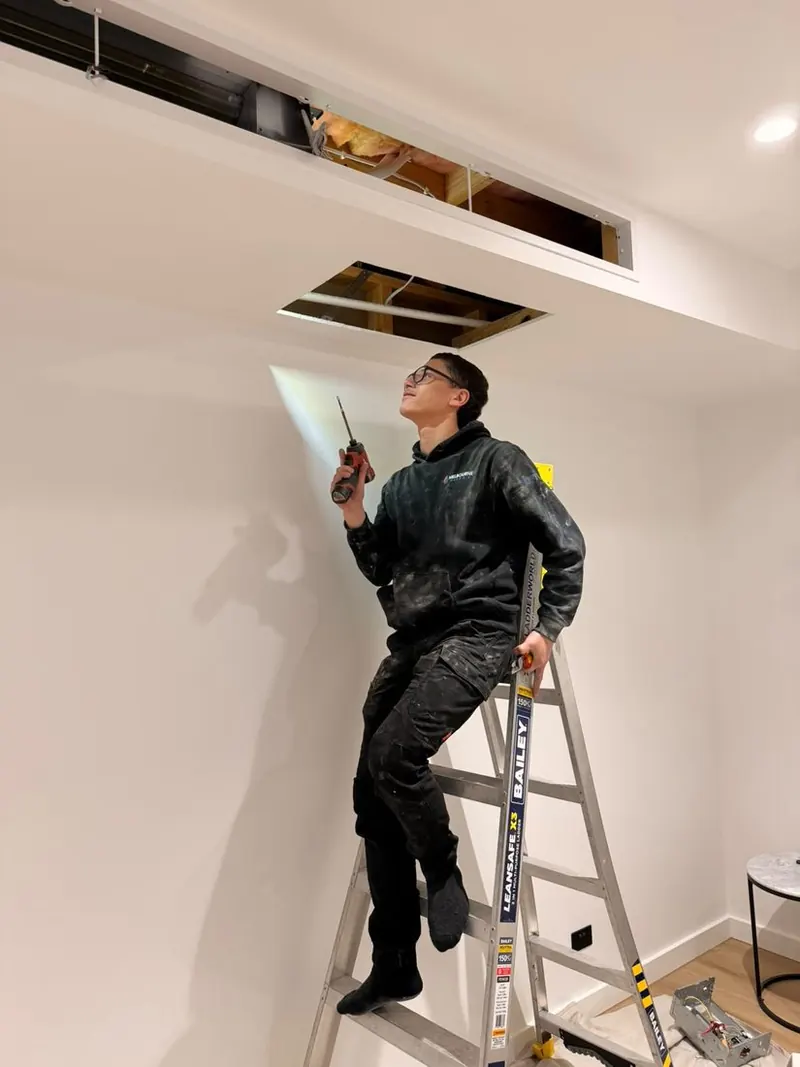
Our own in-house team installs it, on a booked date, with new correctly insulated ductwork.
Commissioning
Airflow, zoning, drainage, controls and safety devices are checked before we call it finished.
Handover
We show you how to use the system and the controller, then follow up after completion.
Why our installations perform
The MRGA Standard
What a properly designed and installed system includes, and what our quote is built around.
Sized for your home, not a rule of thumb
We size heating and cooling from the home: floor area, ceiling heights, insulation, glazing, orientation and how the rooms are used. An oversized unit short-cycles and an undersized one runs flat out on the coldest and hottest days, which is exactly when you need it.
New, correctly insulated ductwork on every ducted reverse cycle installation
Ducted systems live or die by the ducts. A new ducted reverse cycle installation gets new ductwork, sized for the system's airflow, insulated to the current standard, sealed at every joint and supported so it does not sag or kink in the roof. We do not reuse old gas-heating ductwork for a new ducted reverse cycle system. When a gas ducted heater is replaced like for like, the existing ducts can stay where we have inspected them and they are suitable.
Return air and outlets placed for even comfort
Outlet positions, return-air size and location decide whether the back bedrooms are as comfortable as the living room. We design outlet placement and return air for the floor plan and confirm it with you before installation day.
Zoning and sensors where they help
Zoning lets you heat or cool the rooms you are using. Where a system is zoned we set the zones around how the home is lived in, and place temperature sensors where they read the room rather than a hallway or a draught.
Factory-trained dealers
Trained by the manufacturers, buying direct



We are factory-trained dealers for ActronAir, Brivis and Rinnai and purchase equipment directly from these manufacturers.
We also install, service and repair all major heating and cooling brands, including Mitsubishi Electric.
Accountability
9Year Labour & Workmanship Warranty
It applies to the installation work our own team does. Equipment is covered by the manufacturer's warranty, repairs and servicing carry their own workmanship warranty, and pre-existing or reused components are not covered by the nine years.
Questions we get asked
Can the new reverse cycle system use my existing gas heating ducts?
No. Every ducted reverse cycle system we install gets new, correctly insulated ductwork, sized and laid out for the airflow of the new system. Gas heating ducts are commonly too small for reverse cycle airflow, poorly insulated, and laid out with outlet sizes and positions that suit a gas heater rather than air conditioning. Reusing them is the most common reason a new reverse cycle system disappoints, so we do not do it, and the new ductwork is in the quote from the start.
Do I need new vents?
Often, yes. Reverse cycle systems move more air at a lower temperature than a gas heater, so outlet size and placement matter more. Outlets that were fine for gas heating can be noisy or ineffective with reverse cycle. It depends on the home, and the site visit settles it.
What happens to my evaporative cooler?
In a whole-home conversion the evaporative cooler is often removed, because the new ducted system cools as well as heats and the two systems do not share ducts. Some households keep their evaporative cooler and use the reverse cycle mainly for heating; we can design for that if it is what you want.
Why not just connect the new unit to the old ducts and save money?
Because the new system will never perform the way it should, and the saving disappears in running costs and comfort. Our approach is to design the installation properly rather than compromise expensive new equipment by connecting it to infrastructure that does not suit it.
How long does a whole-home conversion take?
Typically one to two days on site, depending on the size of the home and how much ductwork is being replaced.
Is this the same as a Braemar Dominator?
No. The Braemar Dominator is a specific product Braemar designed as a direct gas heater replacement for heaters mounted outside or under the floor. A conventional ducted reverse cycle conversion is a full system design with new ductwork. We assess both, apply the same ductwork standard to both, and explain which suits your home.
Where we work
Gas to Electric Whole-Home Upgrade across the Macedon Ranges
Based in Sunbury, servicing the Macedon Ranges and surrounding areas.
Get in touch
Check your options
Prefer to talk? Call 1300 369 400, monday to friday 8:00am to 5:00pm, Saturday 9:00am to 1:00pm.