
Ducted reverse cycle
Ducted Reverse Cycle Air Conditioning for the Macedon Ranges
Whole-home heating and cooling from one system, designed for your house and how you live in it, installed by our own team and backed by a 9 year labour and workmanship warranty.
Prefer to talk? 1300 369 400
- ActronAir and Rinnai ducted systems from factory-trained dealers who buy direct
- Zoning and individual temperature control designed around the household
- Heat load, duct sizing and airflow engineered for the coldest and hottest days
- 9 year labour and workmanship warranty on every installation
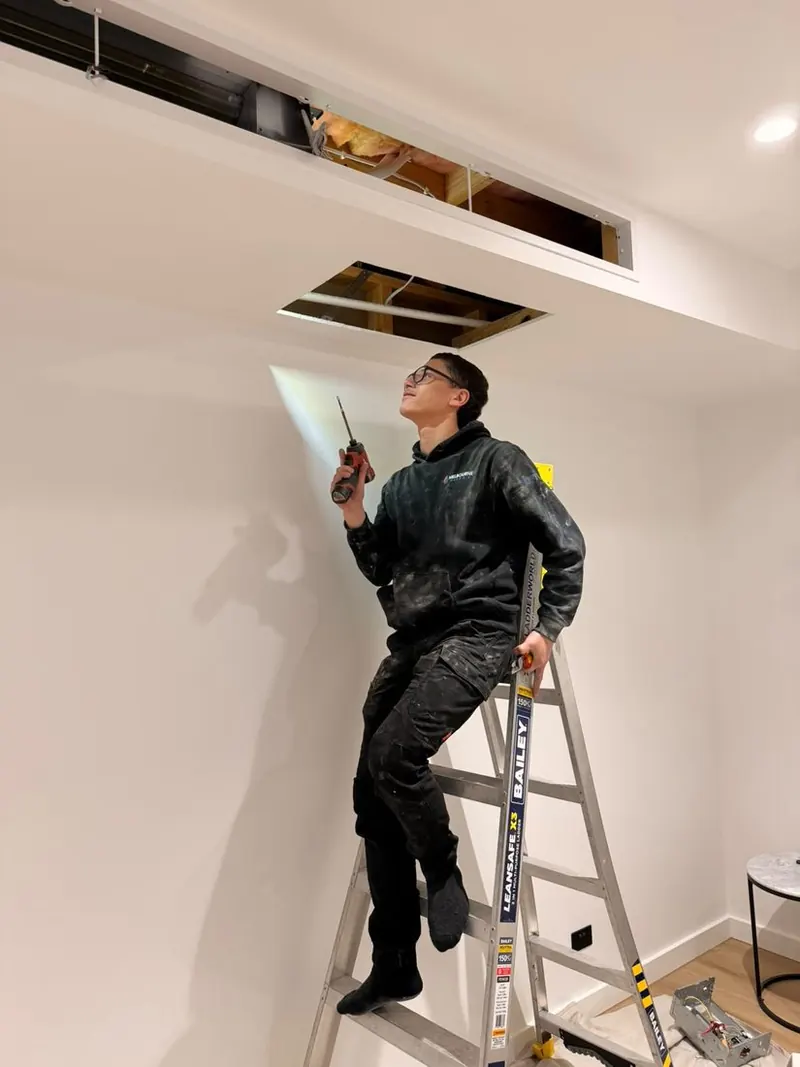
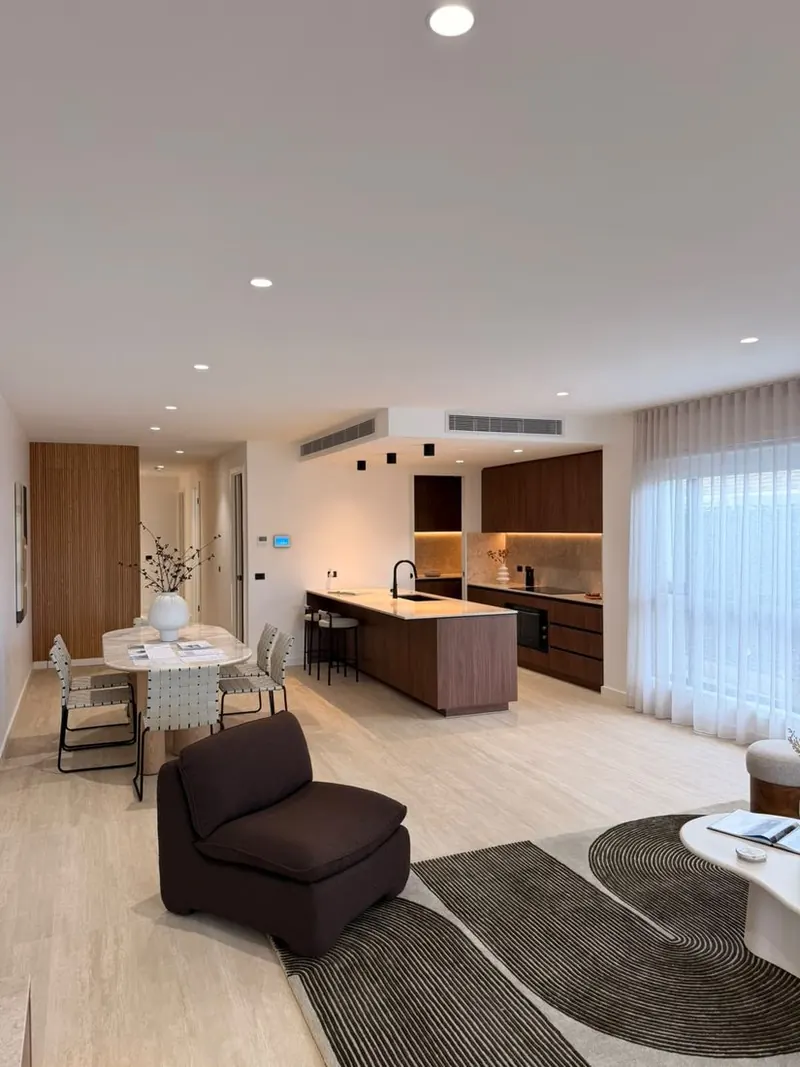
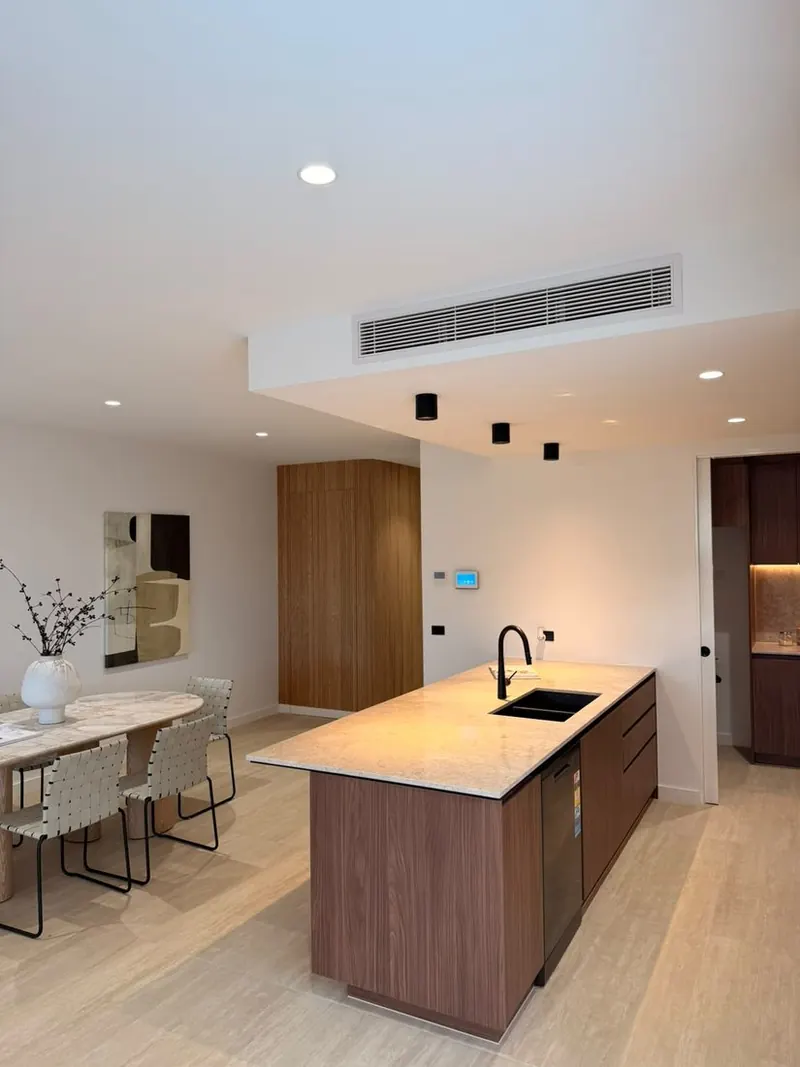
Whole-home comfort, designed properly
Ducted reverse cycle is the system most Macedon Ranges households end up wanting once they have lived with it: quiet, even heating through winter, cooling that works on humid days as well as dry ones, and a single controller with zones for the rooms you use. It is also the system where the quality of the design and installation makes the biggest difference. Two homes with the same equipment can feel completely different depending on how the ductwork, return air, outlets, zoning and commissioning were done.
We design and install ducted reverse cycle across the Ranges, from Sunbury and Gisborne through Macedon and Woodend to Kyneton, Romsey and Lancefield, with our own team from the site visit to the hand-over. How we approach a premium ducted installation.
What decides whether a ducted system performs
- Heat load and sizing. The system has to be sized for the home’s actual heat load: floor area, ceiling heights, orientation, glazing, insulation and how many people live there. Undersized systems run flat out and never catch up on a cold morning; oversized systems cycle and cost more than they should.
- Duct sizing and insulation. Reverse cycle moves a large volume of air at a moderate temperature. Ducts that are too small make the system noisy and starve the far rooms. Poorly insulated ducts lose the heating and cooling you paid for in the roof space.
- Return air. An undersized return is one of the most common faults we find. It strains the fan, raises noise and cuts capacity.
- Outlet size and placement. Where the air enters a room decides whether the room feels comfortable or draughty.
- Zoning and sensor placement. Zones designed around the household, with temperature sensors where they read the rooms people use.
- Outdoor unit position, condensate and electrical. Clearances, noise, drainage and a circuit sized for the load.
- Commissioning. Airflow balanced at every outlet, controls set up and explained.
This is the detail that experienced technicians know matters and that customers often only discover after a poor installation. It is where we spend our time.
Replacing gas heating
If you are replacing a gas ducted heater, the Victorian Energy Upgrades program may apply. Every conversion we do installs new, correctly insulated ductwork and outlets designed for the new system rather than reusing the gas heating ducts, for reasons we explain on the gas to electric page.
Ducted or multi-head?
Not every home can take ductwork, and not every household wants whole-home conditioning. A multi-head split system covers several rooms from one outdoor unit without ducts. Our multi-head versus ducted comparison sets out the trade-offs honestly, and the site visit settles which suits your home.
The brands
We install ActronAir and Rinnai ducted systems, for which we are factory-trained dealers who purchase directly from the manufacturers, and we have substantial hands-on experience installing Mitsubishi Electric ducted systems. We service and repair ducted systems of all major brands.
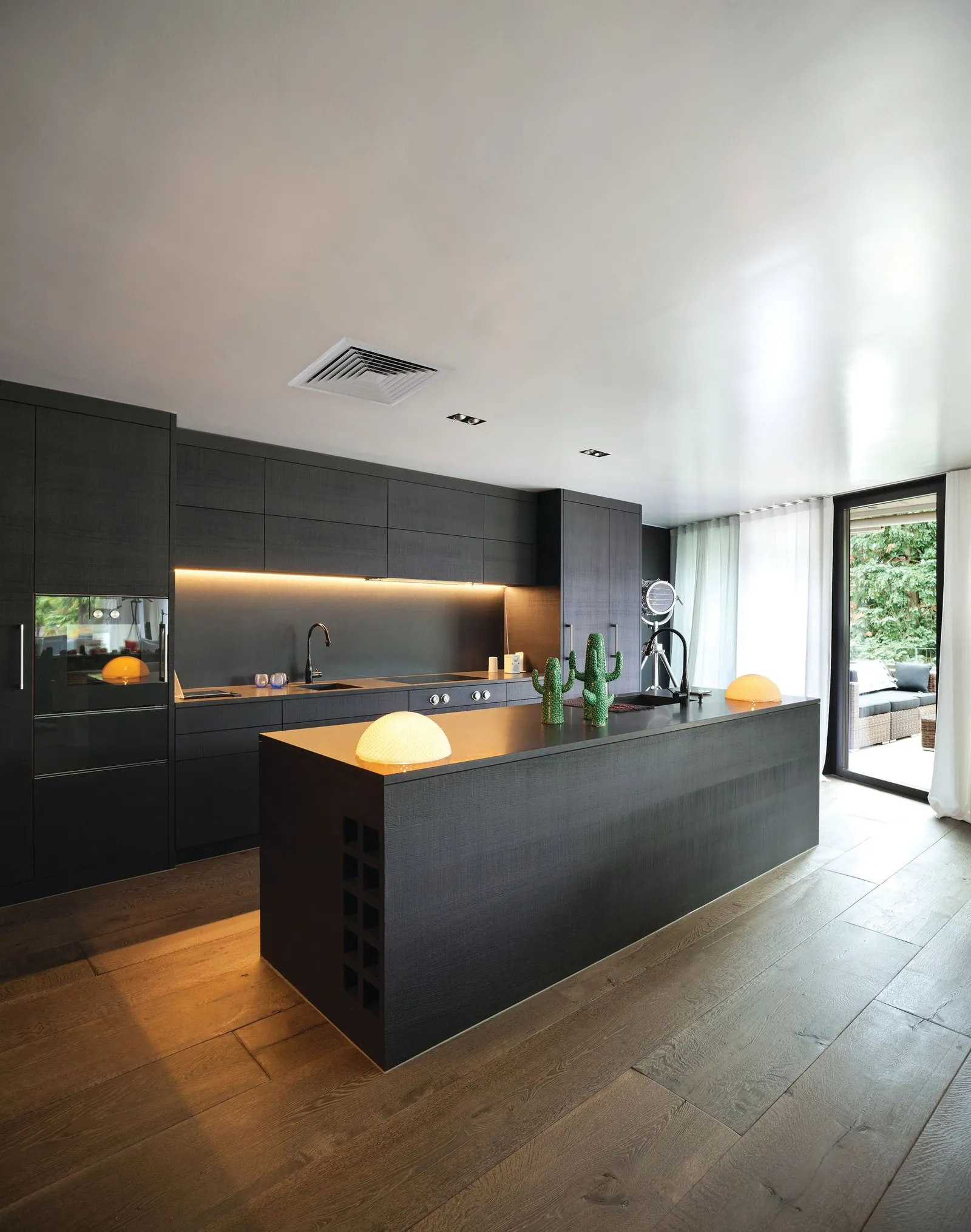
In the home
Discreet outlets, quiet rooms, one temperature you choose
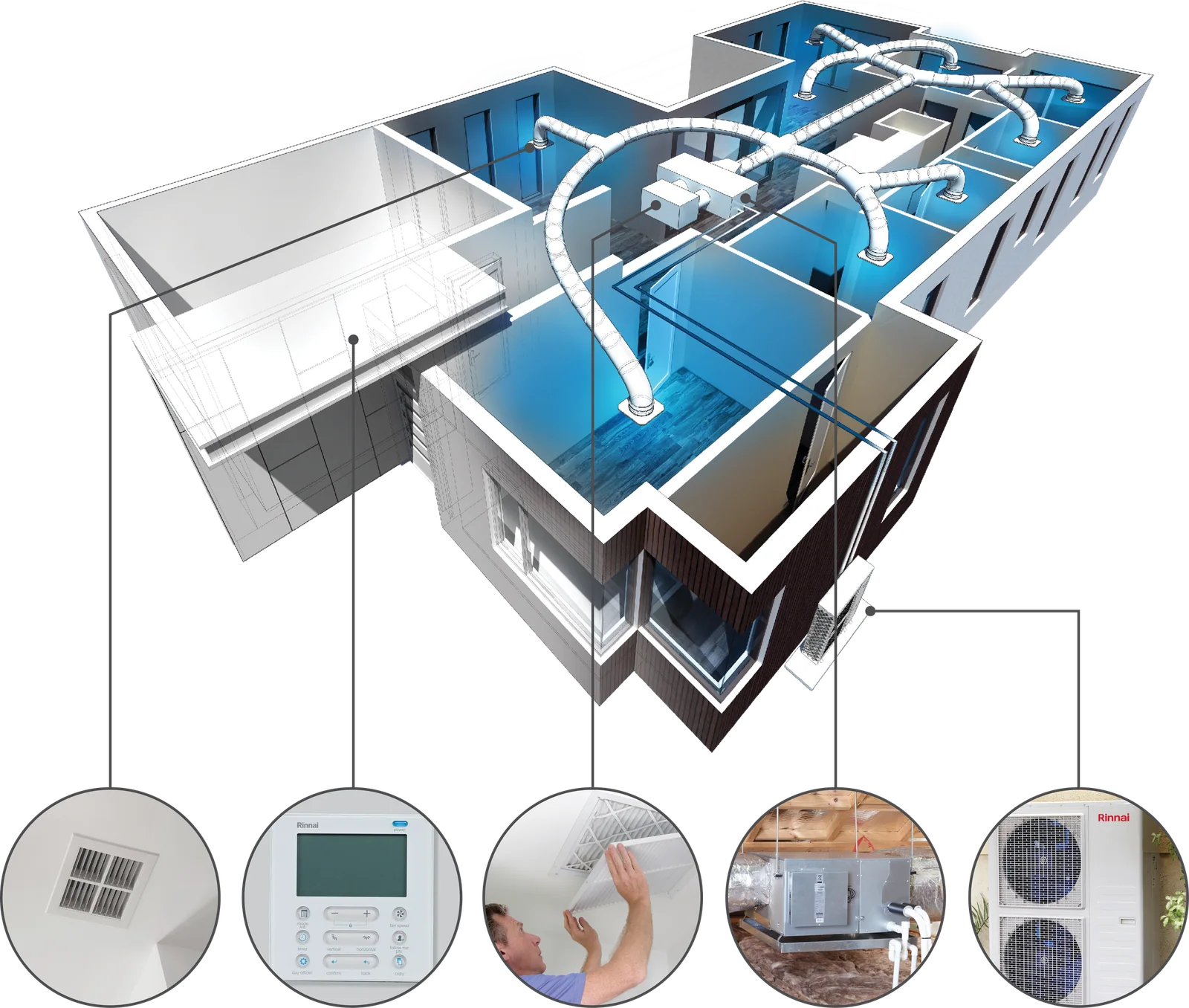
A ducted reverse cycle system disappears into the house: a slim outlet in each ceiling, a return air grille in a hallway, and nothing on the walls. The rooms are heated and cooled evenly from one system, zoned so the bedrooms and the living areas run when you want them to.
How it fits together
Outdoor unit, roof-space fan coil, ducts, outlets and a controller
The outdoor unit at the side of the house moves heat in or out. The indoor fan coil in the roof space pushes conditioned air through insulated ducts to each outlet and draws it back through the return air. The controller on the wall, and the app, run the lot. Every one of those parts is sized and placed for the particular house, which is what the design step is for.
Our premium recommendation
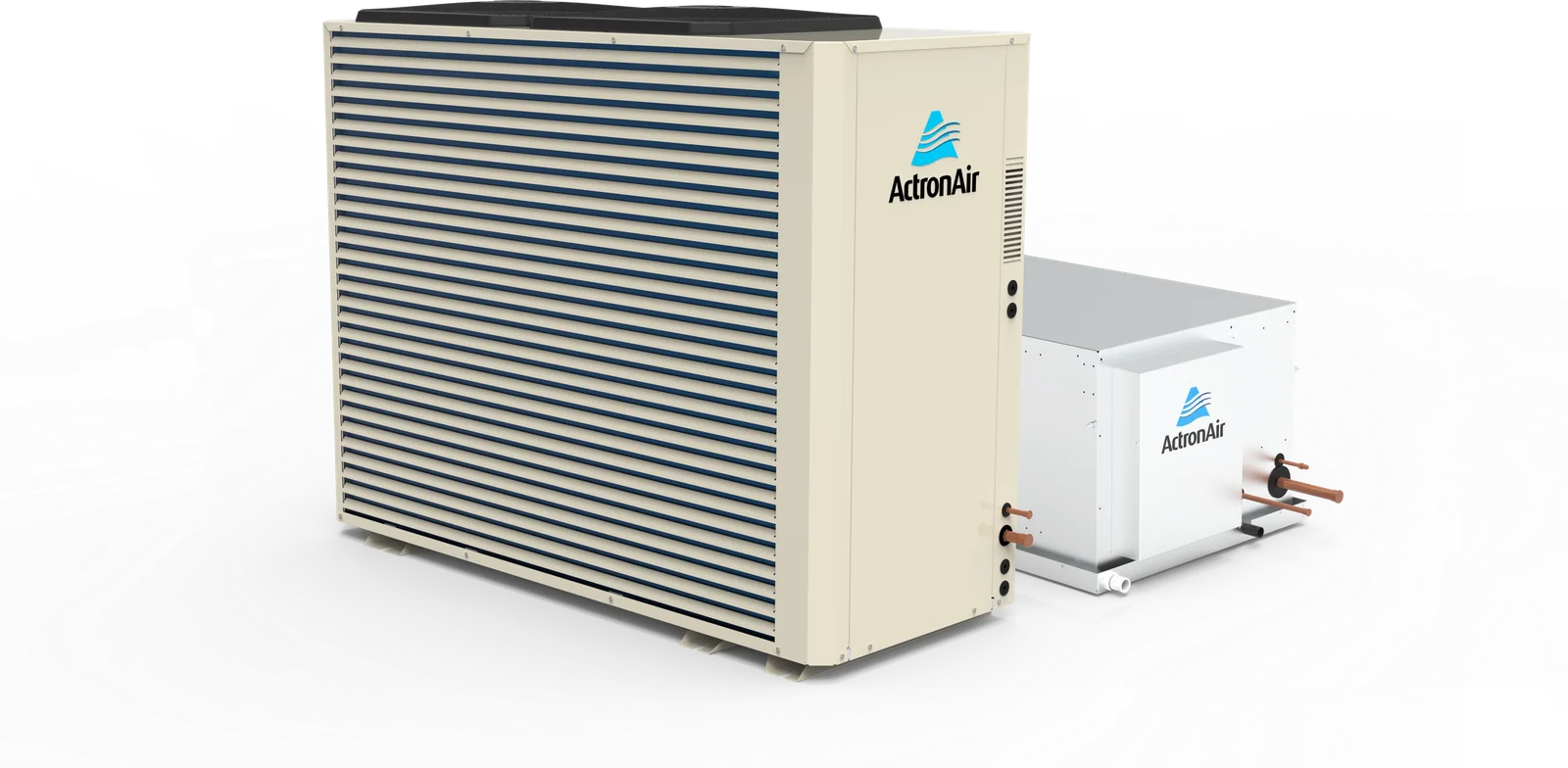
ActronAir Advance with NEO controls
For larger homes, for homes where rooms are used at different times, and for gas to electric conversions where the system has to do everything, we recommend ActronAir Advance: Australian designed and built, variable capacity, zoned to eight areas with individual room temperatures through the NEO control family. We are factory-trained ActronAir dealers and buy direct.

Dependable value
Rinnai ducted reverse cycle
Where the brief is dependable whole-home comfort with sensible running costs and a strong support network behind it, Rinnai ducted is our other primary recommendation, and the one most often chosen for VEU gas to electric upgrades. Its splittable indoor unit gets into tight Ranges roof spaces that defeat other systems.
Controls
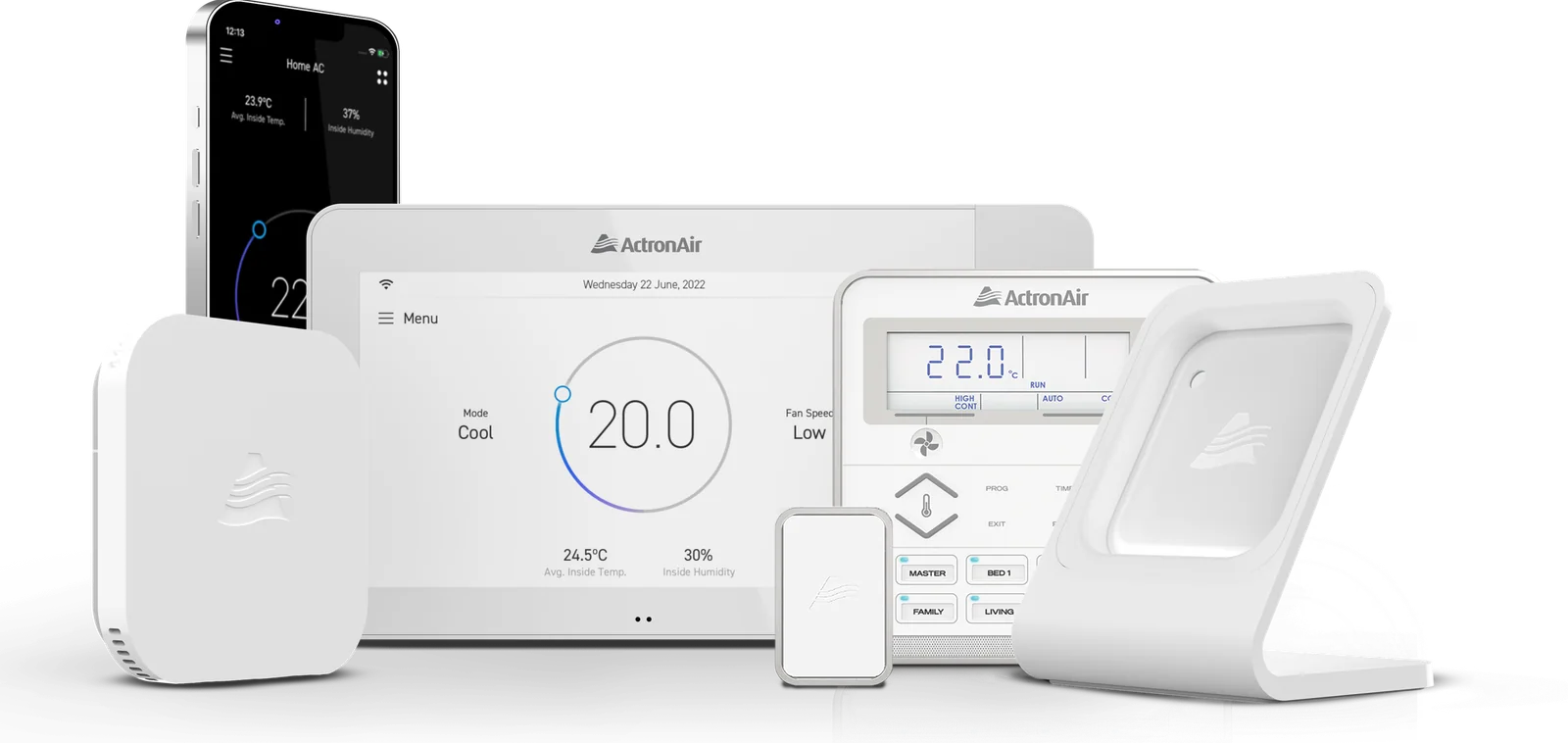
A controller on the wall, the whole house on your phone
Every system we install comes with a wall controller set up for your zones and schedules, and an app that puts the same controls on your phone. On an ActronAir system that is the NEO master controller with zone controllers and sensors in the rooms; on a Rinnai system it is the Rinnai wall controller, with zoning run through a separate zone control system where the home is zoned. Either way we configure it and show you how it works before we leave.
How a whole-home system happens
Designed around your home, built around how you live
Every ducted job runs through the same seven steps, with our own team from the first conversation to the follow-up.
Enquiry
Tell us about the home and what you want it to do.
Assessment
A site assessment or floor-plan review, and a conversation about how you actually live in the house: which rooms you use, where it gets hot or cold, how you want it zoned.
Design
The system is designed around that: capacity, new insulated ductwork, outlet placement, return air, zoning and controls.
Options and quote
We talk you through the suitable system options, explain what changes between them, and give you a written quote.
Installation
Our own in-house team installs it, on a booked date, with new correctly insulated ductwork.
Commissioning
Airflow, zoning, drainage, controls and safety devices are checked before we call it finished.
Handover
We show you how to use the system and the controller, then follow up after completion.
Why our installations perform
The MRGA Standard
What a properly designed and installed system includes, and what our quote is built around.
Sized for your home, not a rule of thumb
We size heating and cooling from the home: floor area, ceiling heights, insulation, glazing, orientation and how the rooms are used. An oversized unit short-cycles and an undersized one runs flat out on the coldest and hottest days, which is exactly when you need it.
New, correctly insulated ductwork on every ducted reverse cycle installation
Ducted systems live or die by the ducts. A new ducted reverse cycle installation gets new ductwork, sized for the system's airflow, insulated to the current standard, sealed at every joint and supported so it does not sag or kink in the roof. We do not reuse old gas-heating ductwork for a new ducted reverse cycle system. When a gas ducted heater is replaced like for like, the existing ducts can stay where we have inspected them and they are suitable.
Return air and outlets placed for even comfort
Outlet positions, return-air size and location decide whether the back bedrooms are as comfortable as the living room. We design outlet placement and return air for the floor plan and confirm it with you before installation day.
Zoning and sensors where they help
Zoning lets you heat or cool the rooms you are using. Where a system is zoned we set the zones around how the home is lived in, and place temperature sensors where they read the room rather than a hallway or a draught.
Factory-trained dealers
Trained by the manufacturers, buying direct



We are factory-trained dealers for ActronAir, Brivis and Rinnai and purchase equipment directly from these manufacturers.
We also install, service and repair all major heating and cooling brands, including Mitsubishi Electric.
Accountability
9Year Labour & Workmanship Warranty
It applies to the installation work our own team does. Equipment is covered by the manufacturer's warranty, repairs and servicing carry their own workmanship warranty, and pre-existing or reused components are not covered by the nine years.
Questions we get asked
Does ducted reverse cycle work in Macedon Ranges winters?
Yes. Modern reverse cycle systems are designed to heat efficiently well below freezing, and we size them for the coldest mornings the Ranges produce rather than for a Melbourne average. Correct sizing and a duct system that can carry the airflow are what make the difference on a frosty July morning.
Can I have zones?
Yes, and for most family homes we recommend it. Zoning lets you heat or cool the living areas during the day and the bedrooms at night without running the whole house. We design the zones around how you live, not around a default layout.
Can a ducted system replace both my gas heater and my evaporative cooler?
Yes. That is the most common whole-home conversion we do, often with support from the Victorian Energy Upgrades program. The new system heats and cools through its own new ductwork. The gas heater is removed, and the evaporative cooler can stay or be removed depending on its condition and what you want; we advise after inspecting it.
Which brand is best?
It depends on the home, the zoning you want and the budget. We install ActronAir and Rinnai as our primary ducted brands and have substantial experience with Mitsubishi Electric, and we recommend one system for your home rather than a list.
How much does ducted reverse cycle cost?
It depends on the size of the home, the number of zones, whether ductwork is new, and the system. We give a fixed written quote after a site visit so the price is real, not a range from a website.
Where we work
Ducted Reverse Cycle Air Conditioning across the Macedon Ranges
Based in Sunbury, servicing the Macedon Ranges and surrounding areas.
Get in touch
Request a written quote
Prefer to talk? Call 1300 369 400, monday to friday 8:00am to 5:00pm, Saturday 9:00am to 1:00pm.